
Protein Basics: How Much You Need and Why It Matters for Weight Loss
February 7, 2026 · Magnolia Health & Wellness
Discover the essential role of protein in preserving muscle during weight loss, backed by research on optimal intake levels that align with FDA guidelines. Learn practical tips from an experienced clinician to support your health journey.
Protein Basics: How Much You Need and Why It Matters for Weight Loss
As a clinician with years of experience treating complex weight management cases at Magnolia Health & Wellness, I've seen firsthand how nutrition plays a pivotal role in successful, sustainable outcomes. One foundational element that consistently stands out is protein. Whether you're on a medical weight loss program like GLP-1 therapies or simply aiming to improve your diet, understanding protein basics can make all the difference in maintaining muscle, feeling energized, and achieving long-term results.
Why Protein Matters During Weight Loss
When we diet or embark on a weight loss program, the body can sometimes lose muscle along with fat—a common challenge that can slow metabolism and make it harder to keep the weight off. Protein is your ally here. It supports muscle maintenance, promotes satiety to help control hunger, and aids in recovery after exercise.
Research highlights that adequate protein intake is key to mitigating muscle loss associated with calorie restriction. At Magnolia Health & Wellness, we emphasize evidence-based nutrition strategies to help patients preserve lean mass while shedding fat, leading to better body composition and overall wellness.
How Much Protein Do You Really Need?
A widely referenced guideline from research suggests aiming for **1.6 grams of protein per kilogram of body weight per day** or higher. This level has been shown to help prevent or significantly reduce muscle loss during dieting.
Interestingly, this aligns well with broader recommendations, including those supported by FDA-related dietary guidelines, which encourage higher protein intakes for active individuals or those managing weight. Here's how to calculate it:
- **Step 1**: Weigh yourself in kilograms (or convert pounds to kg by dividing by 2.2).
- **Step 2**: Multiply by 1.6 g/kg.
- **Example**: For a 70 kg (154 lb) person: 70 × 1.6 = **112 grams of protein daily**.
Individual needs may vary based on activity level, age, and health status, so consulting with our team for personalized cardiometabolic testing and guidance is always recommended.
Practical Tips to Hit Your Protein Goals
Incorporating enough protein doesn't have to be complicated. Focus on high-quality sources spread throughout the day:
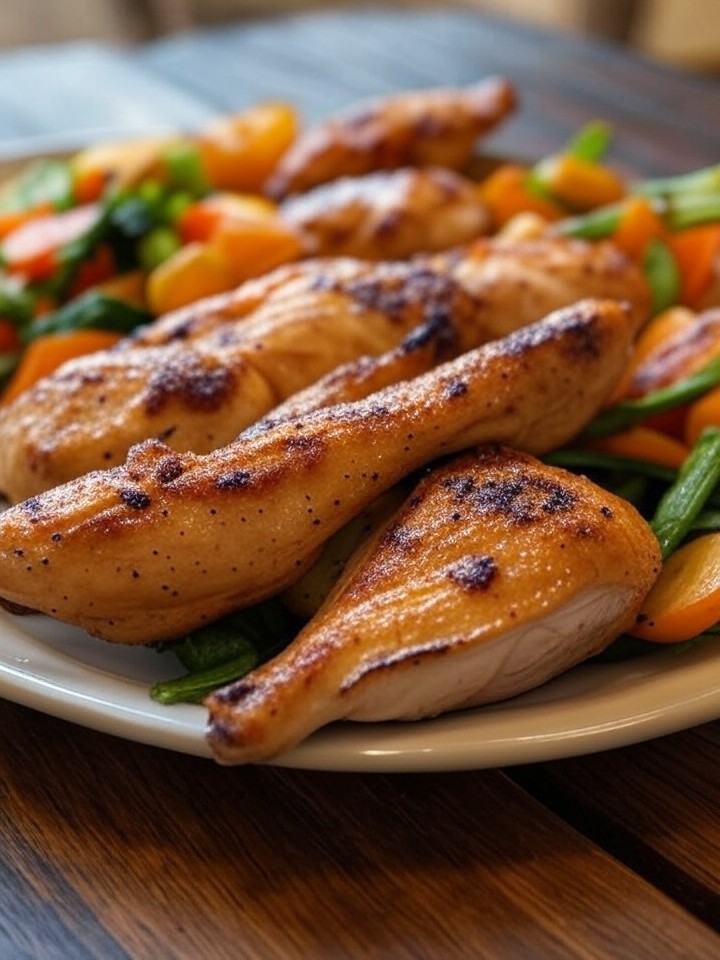
- **Lean meats and poultry**: Chicken breast, turkey (20-30g per 4 oz serving).
- **Fish and seafood**: Salmon, tuna (rich in omega-3s too).
- **Eggs and dairy**: Greek yogurt, cottage cheese (easy, versatile options).
- **Plant-based**: Lentils, chickpeas, tofu, or protein powders for vegetarians.
- **Aim for 20-40g per meal** to maximize muscle protein synthesis.
Pair protein with resistance training, like our Emsculpt NEO sessions, for enhanced results. At Magnolia, we integrate these nutrition insights with treatments like semaglutide to optimize your progress.
The Bigger Picture at Magnolia Health & Wellness
Protein is just one piece of the puzzle, but getting it right can transform your weight loss experience. Our clinics in Chico and Redding offer comprehensive support, from hormone therapy to IV nutrition, tailored to your unique needs.
Ready to prioritize protein and protect your muscle? Schedule a consultation today and let's build a plan that works for you. Your journey to better health starts with the basics—and we're here to guide you every step of the way.