
Snoring, Tired, and Gaining Weight? What New Research Says About Sleep Apnea and Weight-Loss Medicines
November 13, 2026 · David Alonso, MD
Loud snoring and daytime exhaustion can mean sleep apnea. Here's how we test for it, what your AHI number means, and where CPAP and the new weight-loss medicines fit.
"My wife says I stop breathing at night." I hear some version of that sentence in my office almost every week. Often it comes with a few other clues: waking up unrefreshed, dozing off in the afternoon, morning headaches, blood pressure that won't come down. Very often, the answer is obstructive sleep apnea.
There is real good news here. For years, our main tool was a CPAP machine, which works beautifully when people can use it. Now we also have a medicine approved to treat sleep apnea itself, and this week a large trial of a GLP-1 pill added more evidence. Here's what sleep apnea is, how we test for it, and where these medicines fit.
What Sleep Apnea Actually Is
In obstructive sleep apnea (OSA), the airway in the back of the throat narrows or collapses again and again during sleep. Breathing gets shallow or stops for a few seconds, oxygen drops, and the brain briefly wakes you up to restart breathing. Most people never remember these wake-ups; they just never feel rested.
According to the National Heart, Lung, and Blood Institute, untreated sleep apnea raises the risk of stroke, heart attack, and other serious problems, and it affects concentration, memory, and mood. Extra weight is one of the biggest risk factors, but thin people get it too, especially with large tonsils, a small jaw, or hormone changes such as menopause.
Common signs:
- Loud snoring, gasping, or pauses in breathing that someone else notices
- Waking up tired even after seven or eight hours in bed
- Daytime sleepiness, especially falling asleep while reading, watching TV, or driving
- Morning headaches or a dry mouth
- Getting up often at night to urinate
- High blood pressure that is hard to control, or atrial fibrillation
How We Test for It, and What Your Number Means
Diagnosis requires a sleep study. Many patients can now do this at home with a small device worn for one or two nights; others need an overnight study in a sleep lab.
The key result is the apnea-hypopnea index (AHI): the number of times per hour your breathing stops or becomes shallow. In general:
- Under 5 per hour: normal
- 5 to 14: mild
- 15 to 29: moderate
- 30 or more: severe
To put that in perspective, an AHI of 50 means your sleep is being interrupted almost once a minute, all night long. No wonder people feel exhausted.
CPAP Is Still the Foundation
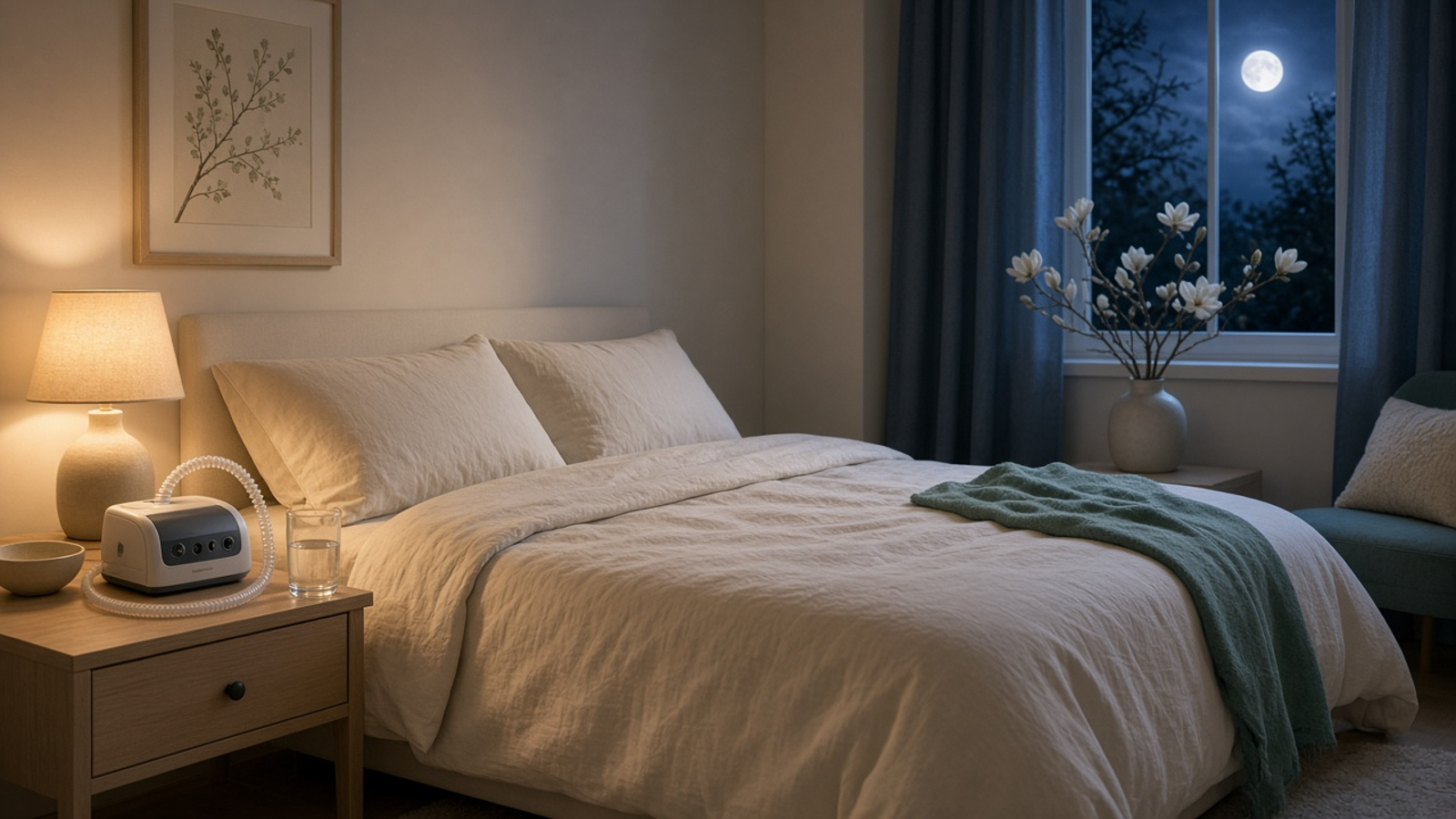
CPAP (continuous positive airway pressure) gently holds the airway open with air pressure through a mask. When people use it consistently, it works right away: snoring stops, oxygen levels stabilize, and many patients tell me they feel like a new person within weeks.
The honest problem is that many people struggle to use CPAP every night. That's exactly where the newer options matter.
Where the Weight-Loss Medicines Come In
In December 2024, the FDA approved tirzepatide (Zepbound) as the first medication for moderate to severe obstructive sleep apnea in adults with obesity. The approval was based on the SURMOUNT-OSA trials, published in the New England Journal of Medicine. Over one year, people on tirzepatide had about 25 to 29 fewer breathing interruptions per hour, roughly a 50 to 59 percent drop in AHI, compared with about 5 fewer per hour on placebo. They also lost around 18 to 20 percent of their body weight on average and saw improvements in blood pressure and inflammation markers. The benefit appeared whether or not people were also using CPAP.
This week, JAMA published the ATTAIN-OSA trials of orforglipron, a once-daily GLP-1 pill, in about 700 adults with moderate to severe sleep apnea. After a year, AHI fell by about 17 to 18 events per hour on orforglipron versus about 5 on placebo, with roughly 10 percent weight loss. That's a real improvement, and a pill will appeal to people who don't want injections.
Where the Hype Gets Ahead of the Data
A few honest caveats:
- These medicines help sleep apnea mainly through weight loss. The FDA itself notes the AHI improvement is likely related to the weight reduction.
- Many people improved without being cured. In ATTAIN-OSA, participants started with very severe disease (an average AHI over 50), and the accompanying JAMA editorial pointed out that many still had moderate to severe apnea at the end. The orforglipron results were also about half the size of tirzepatide's, and the improvement in how rested people felt was weaker.
- We don't yet have long-term data showing these drugs prevent heart attacks or strokes specifically in sleep apnea patients.
- Side effects are mostly digestive: nausea, diarrhea, constipation. In ATTAIN-OSA, about two-thirds of people on the drug reported gastrointestinal effects, versus about a third on placebo.
So I don't see these medicines as a replacement for CPAP for most people. I see them as a powerful partner, especially for patients who carry extra weight and can't tolerate CPAP, or who want to treat the root cause.
What I See in Practice
In my own patients, when meaningful weight comes off, snoring often quiets down, energy improves, and sometimes a repeat sleep study shows the apnea has dropped to a mild range or resolved. That's my clinical experience, not a guarantee. It's also why I always pair these medicines with protein and resistance training, so the weight lost is mostly fat and not muscle.
Practical Takeaways
- If you snore loudly, stop breathing at night, or feel tired despite enough sleep, ask about a sleep study. Home tests are easy and widely available.
- Know your AHI number. It tells us how serious the problem is and how to treat it.
- CPAP works immediately when used. If it's been uncomfortable, ask about a different mask or settings before giving up.
- If you have obesity and moderate to severe sleep apnea, tirzepatide is an FDA-approved option, alongside CPAP or for people who can't use it.
- Don't stop CPAP on your own after losing weight. Get a repeat sleep study to confirm where you stand.
- Treating sleep apnea often helps blood pressure, mood, and energy. It's one of the most rewarding things we fix in primary care.
This post is for general education and is not personal medical advice. Please talk with your own clinician about your symptoms and treatment options.
Sources
- https://www.nhlbi.nih.gov/health/sleep-apnea
- https://www.fda.gov/news-events/press-announcements/fda-approves-first-medication-obstructive-sleep-apnea
- https://www.nejm.org/doi/full/10.1056/NEJMoa2404881
- https://jamanetwork.com/journals/jama/fullarticle/2856406
- https://jamanetwork.com/journals/jama/fullarticle/2856407
- https://www.tctmd.com/news/attain-osa-oral-glp-1-linked-fewer-breathing-interruptions